Senior Pet Care Plans at Prairieville Animal Hospital: A Practical Guide
The days with a senior pet bring both comfort and complexity. I’ve watched families navigate new routines, shifting energy levels, and changing medical needs with a mix of pragmatism and affection. Prairieville Animal Hospital has long been a touchstone for families who want steady, compassionate support as their companions age. This guide isn’t about hype or abstract principles. It’s about concrete steps, realistic expectations, and a plan you can tailor to your pet’s history and temperament.
At its core, senior pet care is about anticipatory health rather than reactive treatment. When you start planning early, your veterinarian can spot problems before they become urgent and adjust care to keep your pet comfortable longer. The hospital’s approach blends preventive care with practical living strategies, so families don’t have to choose between quality of life and proactive medicine. The plan is collaborative, built around your goal for your pet and the realities of aging bodies.
Understanding the terrain of aging pets helps you meet each milestone with confidence. Some seniors stay spry into their late teens; others show changes that require adjustments in behavior, diet, or activity. Aging presents a spectrum, not a single script. Prairieville Animal Hospital’s senior pet care plan recognizes that spectrum, offering flexibility, clear communication, and hands-on support. This piece walks through the core elements of a practical plan, what you can expect at visits, and how to make the system work for your household.
A key idea anchors the approach: prevention and monitoring matter just as much as treatment when a problem emerges. The clinic emphasizes personalized care plans that evolve as your pet does. You’ll find it’s less about chasing every new diagnosis and more about maintaining steady daily function, avoiding pain, and preserving companionship. The practical frame keeps decisions grounded in your daily routine, your home environment, and your pet’s preferred activities.
The path from diagnosis to ongoing management is rarely linear, but it is navigable with the right guidance. Senior care at Prairieville Animal Hospital starts with a thorough, compassionate intake. Your veterinarian reviews medical history, current medications, and daily routines. They observe mobility, appetite, and energy in a way that complements the information you provide. The result is a plan you can implement without feeling overwhelmed by technical language or looming costs. If a problem arises, you have a clear set of next steps and a reliable team to call.
A closer look at what makes this plan practical reveals several pillars that consistently hold steady across different cases. First, preventive care remains essential. Vaccinations, parasite control, dental health, and age-appropriate screenings adapt as your pet ages. Second, early detection is a shared responsibility. Regular checks, blood work, and imaging when indicated enable timely interventions. Third, daily life remains central. Food, activity, grooming, and comfort strategies are designed to fit real home environments, not just clinical guidelines. Each pillar informs the others, creating a loop of care that respects your pet’s individuality.
Making sense of the routine in a busy household can feel daunting. The key is to integrate medical care with everyday care so you don’t end up juggling separate schedules. Routine visits become checkpoints rather than isolated events. Medications, supplements, and dietary changes are coordinated with feeding times, nap schedules, and play. The result is less disruption and more predictability for both you and your senior animal companion. A predictable pattern reduces stress for pets who fear clinics and for owners who worry about decompensation between visits.
In practice, you’ll encounter four recurring themes that shape every plan. The first is mobility and comfort. As joints stiffen and stamina wanes, movement can become painful or tiring. A plan will include weight management, physical therapy elements, and adaptive aids that help your pet keep doing what they love. The second theme is nutrition. Metabolic shifts in aging pets require tailored diets, appropriate portions, and careful monitoring of protein and fat balance. The third theme is dental health. Oral disease is common in older animals and can quietly affect appetite, pain, and overall health. The fourth theme is mental well-being. Senior pets aren’t immune to cognitive changes, so enrichment, routine, and environmental adjustments help maintain quality of life alongside physical health.
Planning meetings at Prairieville Animal Hospital typically begin with a candid conversation about your pet’s goals. Some families prioritize comfort and companionship above all else, while others aim to maximize activity and engagement. The veterinarian translates those goals into a realistic medical roadmap. It’s not unusual to revisit and revise this roadmap every six to twelve months, particularly if a new health issue emerges or if your pet’s energy level shifts with the seasons. The process is clear, with milestones you can track, and it respects the reality that aging is unpredictable in subtle ways.
To make the approach actionable, here is a concise outline of the practical steps you can take to initiate and sustain a senior care plan. You may recognize several elements from experiences with other pets in the family, but the emphasis here is always on what works in daily life at home and within a community veterinary practice.
What you need to know to start and sustain the plan
- Begin with a comprehensive wellness visit. This visit isn’t a one-off checkup; it’s a milestone. Expect conversations about behavior, appetite, body condition, and mobility as the baseline for future comparisons. The goal is to establish a health trajectory you can reference over time, not a one-time fix.
- Schedule regular monitoring. Many practices advocate every six to twelve months for older pets, with blood work and urine analysis at intervals tailored to your pet’s risk factors. If a health issue is suspected, the frequency increases. The key is stability — you want to catch changes before they escalate.
- Build a simple, consistent daily routine. A predictable day reduces stress for seniors. Feedings at the same times each day, short but regular activity, and a quiet space for rest all contribute to a steadier demeanor and safer mobility.
- Keep a working medication and supplement list. Seniors often take several medicines or supplements. A weekly review helps you catch duplications, interactions, or changes in dosing. Your veterinarian will guide you on what to track and what to emphasize at each visit.
- Prioritize pain management and comfort. Pain is not always obvious in animals. A thoughtful plan uses a combination of medications, non-pharmacological approaches, and environmental tweaks to keep discomfort manageable without dulling overall alertness or appetite.
The practical realities of managing senior pet care often come down to small decisions that compound over time. For instance, a slight adjustment to bedding can dramatically improve sleep quality for arthritic hips. The right ramp or tilt helps a dog who struggles with stairs and reduces the risk of a fall in a home with slick floors. For some cats, a litter box with a lower entry and multiple accessible resting spots can make daily routines less stressful. These tweaks might seem minor, but in the context of a multi-year aging process, they contribute to meaningful improvements in daily life.
A recurring question is how to balance the cost of care with the desire to maintain quality of life. The reality is straightforward: senior care can be more economical when you catch problems early and rely on preventive strategies rather than reactive treatments. The hospital will work with you to outline costs in practical terms, from medication plans to diagnostic tests and therapeutic interventions. They will also discuss priorities, so you can align medical decisions with what matters most in your household. If flexibility is needed, there is often room for adjusting the care plan to fit changing finances without sacrificing essential health monitoring.
One of the most valuable aspects of Prairieville Animal Hospital’s approach is the accessibility of the team. When you call for a concern about your senior pet, you speak with a clinician who understands your pet’s history and your home dynamics. This continuity matters. It reduces the need for rehashing background information at every visit and speeds up decision making at moments when time matters. The team’s familiarity with your pet’s temperament and preferences means you’re more likely to receive recommendations that you can implement without major disruption to your routine.
The senior pet care plan is inherently collaborative. Veterinarians provide professional guidance, but families bring intimate knowledge of daily life, including what triggers anxiety, what activities are most meaningful, and what environmental adjustments are feasible. Your input is not a side note; it defines the cadence of care. For example, if your senior cat still enjoys a window perch but hates car rides, your plan will emphasize in-clinic assessments and home monitoring rather than frequent trips to the hospital. This approach reduces stress for both you and your pet while keeping health care firmly in your control.
Understanding the medical landscape also means recognizing when to act and when to wait. Some conditions, such as mild kidney changes or early arthritis, are manageable with conservative steps and careful monitoring. Others may benefit from targeted interventions, whether pharmacological adjustments, physical therapy, or dental procedures. The balance lies in steering clear of unnecessary interventions while not delaying essential treatment. The care team at Prairieville Animal Hospital works with you to calibrate that balance, offering evidence-based recommendations grounded in clinical experience and patient-specific context.
To facilitate engagement and informed decision making, the clinic provides clear documentation and guidance. After each visit, you receive a summary of findings, revised care plans, and a succinct list of next steps. The language is practical, not technical for the sake of it, and you will see dates for follow ups that align with the plan’s milestones. The tone is respectful and non-judgmental, acknowledging that every household has its own pace and constraints. The result is a relationship built on trust, not on pressure.
For those new to Prairieville Animal Hospital, there are a few practical steps you can take now to ease the transition into a senior plan. If you’ve found yourself balancing competing priorities, remember that you are not alone. Many families arrive at the clinic with a mix of hope and concern, seeking a roadmap that feels honest and doable. The team listens, then works with you to identify the most impactful steps to begin with, recognizing that progress in senior care tends to arrive in increments rather than sweeping changes.

In this section you’ll find real-world examples drawn from daily practice that illustrate how a practical plan translates into living with a senior pet. Consider the story of a terrier mix named Scout. Scout began a year ago with stiff hips and a tendency to tire after short walks. The plan included a weight check every two months, a gradual increase in low-impact activity such as slow leash walks, and a shift to a senior-formula diet designed to support joint health. A short training session each week focused on balance and core strength. Within a few months Scout’s energy rose and his mobility improved enough that his owner felt comfortable resuming longer weekend adventures, albeit with careful pacing. Another example is Misty, a senior cat who developed dental sensitivity. An in-clinic dental assessment identified early periodontal disease. The approach combined professional cleaning with a tailored home dental care routine. Misty’s appetite and overall comfort improved, and her owner reported a marked reduction in irritability around feeding times.
These narratives are not exceptional. They reflect the practical arc of aging in pets and the way a clinic like Prairieville Animal Hospital translates medical knowledge into everyday life. The point is simple: senior care is not about grand gestures; it is about steady, small improvements that accumulate over time. The clinic’s philosophy emphasizes that a plan should adapt as life changes, and that a strong partnership between family and veterinary team makes the difference between reactive care and sustained well-being.
If you are preparing to engage with Prairieville Animal Hospital for a senior pet plan, you may be wondering what to bring to the first consult and what to expect afterward. The first visit typically centers on establishing a baseline, but it also sets the tone for ongoing care. You can expect the clinician to review your pet’s medical history, current medications, and daily routine. They will likely perform a physical examination with a focus on mobility, heart and lung function, and appetite. Depending on age and risk factors, a panel of diagnostic tests may be recommended. The information gathered will anchor the plan, but the conversation will revolve around your goals and practical considerations in daily life.
The hospital emphasizes clear communication about what each test can reveal, what the results might mean in terms of treatment, and what you should watch for at home. If a procedure or test is advised, you will receive a thorough explanation of the rationale, the expected duration, any anesthesia considerations, and potential risks. Your questions are encouraged and expected. A practical plan often includes contingency options. If something shows unexpected complexity, the team will describe alternatives, including whether to pursue ongoing monitoring, a therapeutic trial, or referral to a specialist.
This piece would not be complete without touching on the emotional dimension of senior care. Caring for an aging pet places a daily emphasis on presence and patience. The relationship may shift as health challenges arise. There can be moments of sorrow interwoven with gratitude for time spent together. The key is staying engaged—attending to the pet’s needs while remaining honest about the limits of care and the realities of aging. Prairieville Animal Hospital supports families through these emotional seasons, offering guidance that honors both the pet’s dignity and the family’s hopes.
In closing, the senior pet care plan at Prairieville Animal Hospital is built on practical, well-integrated care. It respects your household dynamics, foregrounds prevention and early detection, and stays adaptable as conditions evolve. The aim is straightforward: maximize comfort, minimize discover more distress, and preserve the bond that makes life meaningful for you and your companion. The hospital’s approach blends medical rigor with everyday wisdom, translating clinical knowledge into actions you can implement without disruption. If you are preparing for a senior pet journey, you deserve a plan that is honest, attainable, and relentlessly pet-centered.
What to expect as you move forward
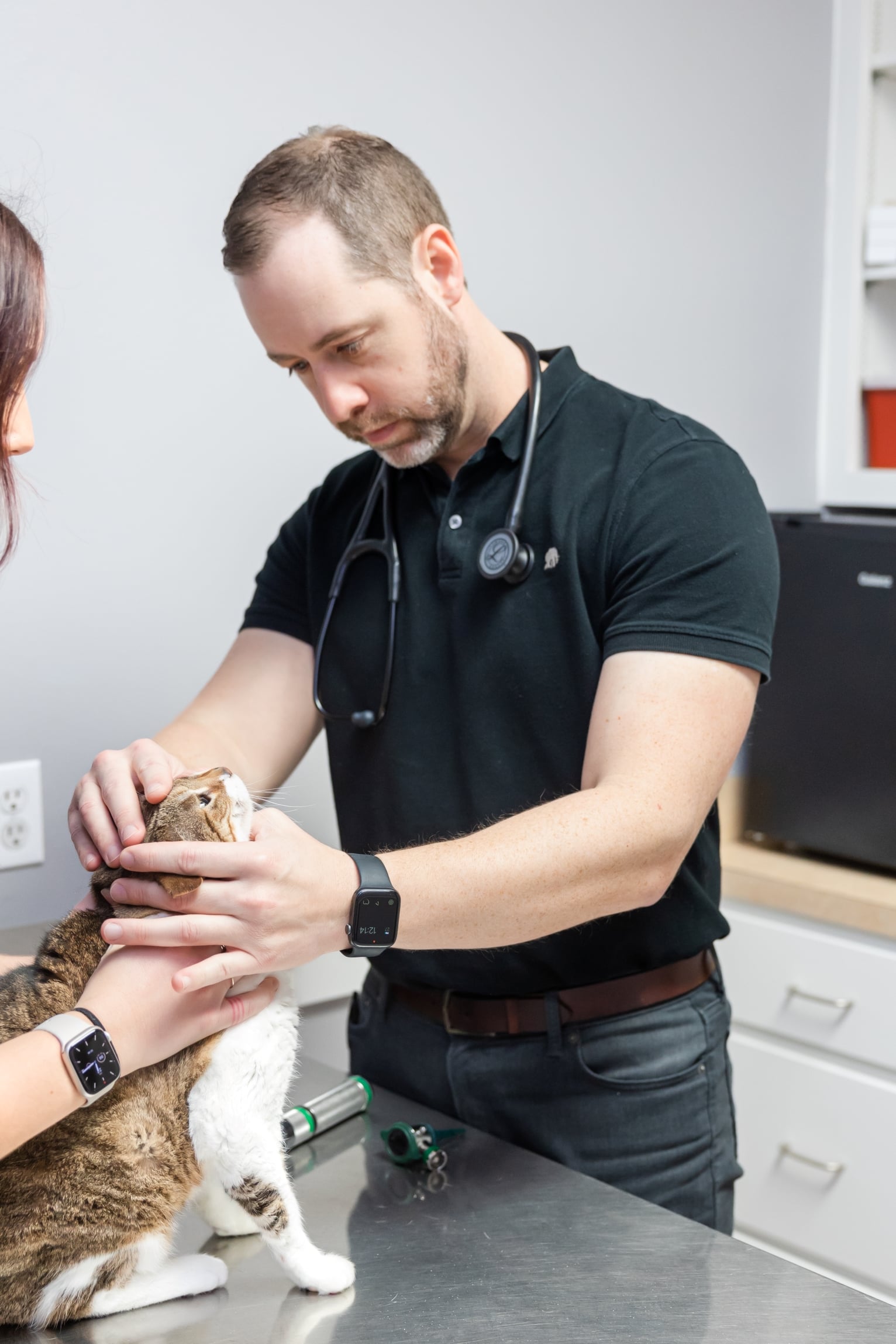
- You will receive a clear roadmap with milestones aligned to your pet’s aging process. The plan evolves with time, and visits become checkpoints rather than isolated events. You can anticipate adjustments as new information about your pet emerges.
- The team will help you balance comfort and activity. If mobility becomes a challenge, expect recommendations for assisted devices, gentle exercises, and routines that keep your pet engaged without pushing too hard.
- You will have access to a familiar voice. The veterinarians, technicians, and support staff aim to know your pet and your family’s preferences. This continuity reduces stress for everyone and fosters trust.
- The clinic offers practical, affordable options. Budget conversations are part of the plan, with an emphasis on preventive care and symptom management that fits real-world constraints.
- You will gain a partner in daily life. Beyond medical care, Prairieville Animal Hospital helps you think about environmental adjustments, feeding strategies, and enrichment that preserve your pet’s personality and happiness.
For families who want a concise checklist to reference, the two lists above capture the essence of starting and sustaining a senior pet plan. The first list focuses on initiating care and establishing priorities; the second provides a practical inventory for your first consult or for preparing to bring your pet in for a follow-up. Both are designed to be realistic and actionable, avoiding abstract promises and focusing on what you can implement with confidence.
As you weigh the options for senior care at Prairieville Animal Hospital, consider the life you share with your pet and the daily routines that shape their comfort. Aging changes the script, but it does not erase the bond. The care team treats that bond as a core asset, not a pleasant aside. They bring clinical experience into your living room by listening closely, translating medical language into everyday steps, and staying with you through the ups and downs that come with aging animals.
If you would like to learn more about how senior pet care unfolds at Prairieville Animal Hospital or to schedule a dedicated senior wellness visit, you can start with a call or a visit to the animal clinic near you. The practice is approachable, and the philosophy is steady: protect the things that matter most by protecting health, one day at a time. The goal is not to eliminate aging, but to ensure that the aging process is as comfortable, predictable, and dignified as possible for your cherished companion.
Corrections
Spot something wrong? Send it to the desk and it gets fixed in the open.