Prairieville Animal Hospital: Meet Our Caring Veterinarians at Prairieville Animal Hospital
Prairieville Animal Hospital feels less like a clinic and more like a neighborhood clinic that happens to be staffed by people who truly listen. When I first visited this place years ago with a nervous rescue, I was struck by how straightaway the team made the dog feel at ease and how the staff spoke in a calm, clear way to the owner. Over time I learned that the impression wasn’t accidental. It grew from a combination of practical experience, careful listening, and a willingness to be honest about what a patient needs, from vaccines to complicated surgical decisions.
The heart of any animal hospital is the people who work there. At Prairieville Animal Hospital, the veterinarians are a blend of seasoned clinicians and thoughtful clinicians-in-progress who bring fresh perspectives without losing sight of established best practices. The hospital itself supports this mix with a culture that values family-style care, the kind you’d want for your own pets and for the animals that rely on them.
A reassuring first moment often comes before the exam room door opens. The reception team greets you by name, the nurse helps you check in efficiently, and the veterinarian steps in with a genuine interest in your pet’s history. Those small, unhurried touches add up. They translate into longer-lasting relationships that help both pets and owners feel heard during every visit. I have watched this pattern unfold many times and it has become the kinesiology of the clinic, a kind of quiet choreography that makes medical care feel less transactional and more collaborative.
The practitioners at Prairieville Animal Hospital operate with a philosophy that health is best pursued through prevention, observation, and honest conversation. A vaccination visit escalates into education about risks in the local environment, nutrition adjustments as pets age, and a candid discussion about when to consider more thorough diagnostics. A sudden injury or illness can destabilize a household, but here the response is deliberate and patient. The team will outline a plan that balances medical necessity with practical realities, including cost and time.
What sets this place apart in my experience is that it refuses to settle for good enough. The veterinarians here want every pet to have the chance to thrive, not just survive. They recognize the way a home harmonizes with a pet’s needs and they tailor care to fit that rhythm. The result is not simply a set of procedures, but a shared project: safeguarding a pet’s quality of life, strengthening the human-animal bond, and supporting the family that lives with the pet day in and day out.
A closer look at the people behind the care reveals a mix of personalities that, instead of stepping on one another, complement one another. There are clinicians who approach cases with the precision of a surgeon and those who bring the warmth of a neighbor who tends your garden. Together they form a spectrum of approaches that covers preventive medicine, chronic disease management, surgical intervention, and compassionate end-of-life support. The outcome is a clinic where you feel known and respected, no matter the concern.
The hospital’s engagement with the Prairieville community is not an afterthought. It is a daily practice. Clinics like this exist in places where people live and work and raise families alongside their pets. That proximity matters because it translates into care that understands the region’s unique weather patterns, seasonal toxins, and local parasites. It means the veterinarians can talk about the specific risk factors that matter most to local families rather than offering generic guidance that feels out of touch. It also means they show up when it matters most, whether that’s late-night emergencies, weekend sick visits, or school outreach that teaches children how to handle a stray animal responsibly.
To understand the clinic more deeply, it helps to meet the veterinarians themselves. Each practitioner brings a distinct lens to the work, shaped by training, patient stories, and the constraints that come with running a busy practice. One clinician, for example, may have a deep veterinary interest in dentistry, an area that can be deceptively complex and often underappreciated by pet owners. Another may focus on internal medicine, coordinating care across multiple systems with a careful, data-driven approach. Another might have a soft spot for soft tissue surgery, where careful planning and sophisticated anesthesia management matter as much as the actual cut and suture. And there are those who shine in client education, translating medical jargon into practical, actionable steps that owners can implement at home.
The clinic invests in equipment and facilities that support this breadth of care without sacrificing personal attention. Diagnostic capabilities are essential in modern veterinary medicine, but so is the time and space to listen. The team takes pride in making that balance work. They explain why a certain test is recommended, what the results may mean, and how the information informs the next steps. They recognize that owners are busy people and that sometimes a plan needs to be adjusted as life happens. That flexibility matters, especially in a place where families juggle school, work, and a pet’s health needs.
A veterinary team is strongest when it can anticipate questions before they are asked. This is particularly true for new clients walking through the door. Prairieville Animal Hospital tends to approach the first visit with a candid, curiosity-driven mindset: What is the animal’s history? What patterns in behavior or appetite should the owner notice? What are the owner’s expectations for care in the coming weeks and months? The conversation often expands beyond immediate symptoms to a broader view of the pet’s lifestyle, housing, activity level, and even stress triggers. The result is a plan that feels personalized and achievable rather than a one-size-fits-all protocol.
For pet families contemplating care at Prairieville Animal Hospital, a sense of reassurance comes not from glossy marketing but from a track record of steady, reliable care. The veterinarians here listen to the questions that matter most to owners and respond with clear explanations. They acknowledge uncertainties without overpromising—an essential balance when veterinary medicine inevitably involves competing priorities like comfort, function, and prognosis. It is a clinical mindset that remains grounded in daily practice, not in aspirational slogans.

The practice’s approach to preventive care deserves special attention. Routine wellness exams, age-specific vaccines, parasite control, dental care, and dietary counseling form the backbone of how the hospital preserves health over time. The team has learned that prevention is not a single event but an ongoing dialogue among the veterinarian, the owner, and the animal. The dialogue evolves as the pet ages, as the home environment changes, and as new health information becomes available. The professionals here welcome that evolution and invite clients to participate in a partnership that grows with the pet.
Inspiration can also be found in the small, practical habits that define daily life in the clinic. A technician who remembers your dog’s favorite snack before a dental procedure, a veterinarian who checks in with you after a dangerous surgery to confirm you are comfortable with the care plan, a receptionist who helps you reschedule in a way that minimizes stress for your pet—these moments accumulate into a sense of trust. The patient experience is not built in single dramatic milestones but in the cadence of everyday care, in the way a team handles a routine checkup with the same seriousness that a critical case would demand.
The reality of veterinary practice is that challenges are inevitable. Some weeks bring a cluster of urgent cases while others allow for long conversations about nutrition and behavior modification. The team at Prairieville Animal Hospital meets these fluctuations with calm, deliberate routines and a commitment to keeping care collaborative. If a case requires a specialist or referral, the clinic maintains a network of trusted partners and follows through with clear communication so owners never feel they have to chase information. The ability to coordinate care across services—diagnostics, medical management, surgical intervention, rehabilitation—makes a real difference in outcomes for patients.
With a broad spectrum of cases, the veterinarians here cultivate a practical intuition. They know when a symptom is likely a benign nuisance and when it signals something more serious. They understand the emotional load that accompanies a pet’s illness and work to minimize stress for both the animal and the owner. That empathy is not soft sentimentality; it is a professional competency that allows for better assessment, more accurate diagnosis, and more compassionate care.
As with any medical field, there are limits. The reality is that not every problem has a perfect or immediate solution. In those moments, Prairieville Animal Hospital is careful and transparent about the path forward. They discuss options, probabilities, and potential outcomes, helping owners navigate financial considerations and emotional readiness. The willingness to have those tough conversations, without fear of losing trust or appearing cynical, speaks to the clinic’s maturity and its dedication to truly patient-centered care.
In the end, the value of meeting the Prairieville Animal Hospital veterinarians goes beyond the care you receive in a single visit. It is the consistency of the relationship, the clarity of the communication, and the collaborative spirit that makes health management meaningful over time. This is not about heroics on the exam table but about building a reliable, humane approach to caring for animals that families rely on every day.
Two profiles illustrate the range of expertise and the thoughtful care that distinguish Prairieville Animal Hospital. The first clinician I will describe is a proactive veterinarian whose practice places a premium on early detection and a practical approach to chronic disease management. The second is a clinician who embodies the clinic’s emphasis on dentistry and preventive care, blending technical skill with a gift for easing anxious pets and their owners. Both demonstrate how the hospital balances specialization with the overarching aim of keeping patients happy, comfortable, and healthy.
The first profile belongs to a veterinarian whose daily routine demonstrates the power of meticulous record-keeping and forward planning. This clinician treats many aging pets, a reality in a community with a broad mix of breeds and life stages. The approach typically begins with a thorough history and a measured physical exam. The doctor reads the pet’s gait, checks for subtle signs of arthritis, and notes the condition of teeth and gums. A common thread in this work is the use of simple, repeatable assessments that can be tracked over time. For instance, a joint mobility score, a body condition score, and a basic screening blood panel can be informative when evaluated together across visits. The value here is not a single test but the trajectory it reveals: a slow, steady representation of how health changes as the months accumulate.
Managing chronic illness in a practical way is an art as well as a science. One memorable case involved a middle-aged dog with early kidney changes and a concurrent trend toward weight gain. The veterinarian designed a plan that balanced diet, hydration, and pharmacologic support, all while keeping the family in the loop about how to monitor home variables. What stood out was the emphasis on small, achievable steps: switch to a renal-friendly diet gradually, measure daily water intake, and set up a simple home log for appetite and energy levels. The process was never about a dramatic overhaul in one week, but about steady refinement across several visits, with adjustments made as the numbers and the pet’s behavior told the story.
The dentistry-focused clinician at Prairieville Animal Hospital is equally practical but with a different lens. Dental health often holds the key to a patient’s overall comfort and long-term vitality. The doctor combines diagnostic imaging with a bedside assessment that respects the animal’s stress threshold. I recall a patient who required a staged dental procedure due to age and health status. The team explained the need for preoperative bloodwork, a careful anesthesia plan, and a treatment sequence that would minimize anesthesia time while addressing the most problematic teeth first. The end result was a smoother recovery, less post-procedure discomfort for the pet, and a better outcome for the owner who could see the improvement in daily routine. It is the ability to translate complex dentistry into a practical, step-by-step plan that makes this team so effective.
Another notable facet is the way the practice handles emergencies. A well-timed triage, a calm explanation of what is happening, and a transparent discussion about expected timelines and costs can transform a frightening moment into a manageable one. The veterinarians here do not rush through emergencies for speed alone. They take the time to articulate the plan, check on the pet’s progress, and adjust the course as new information becomes available. The result is a sense that even high-stress moments are navigated with competence and care.
The clinic’s approach to client education deserves emphasis. It is not a formal lecture but a steady undercurrent of guidance woven into the conversation. The veterinarians take time to teach owners how to recognize early warning signs, how to use at-home tools correctly, and how to interpret lab results in plain language. They encourage questions and acknowledge when a family needs more time to absorb information. This practice is incredibly valuable because it translates medical knowledge into long-term home routines. The goal is not simply to treat a problem but to equip families to prevent problems from arising in the first place.
The hospital also invests in technologies that improve patient outcomes. Digital record-keeping, advanced imaging options, and anesthesia monitoring systems are essential, but they must be integrated into a workflow that remains patient-centered. The clinicians here treat technology as a tool rather than a substitute for human touch. A well-timed ultrasound may be paired with a compassionate, patient-focused exam technique, creating a more complete picture of the animal’s health without increasing stress or confusion for the owner.
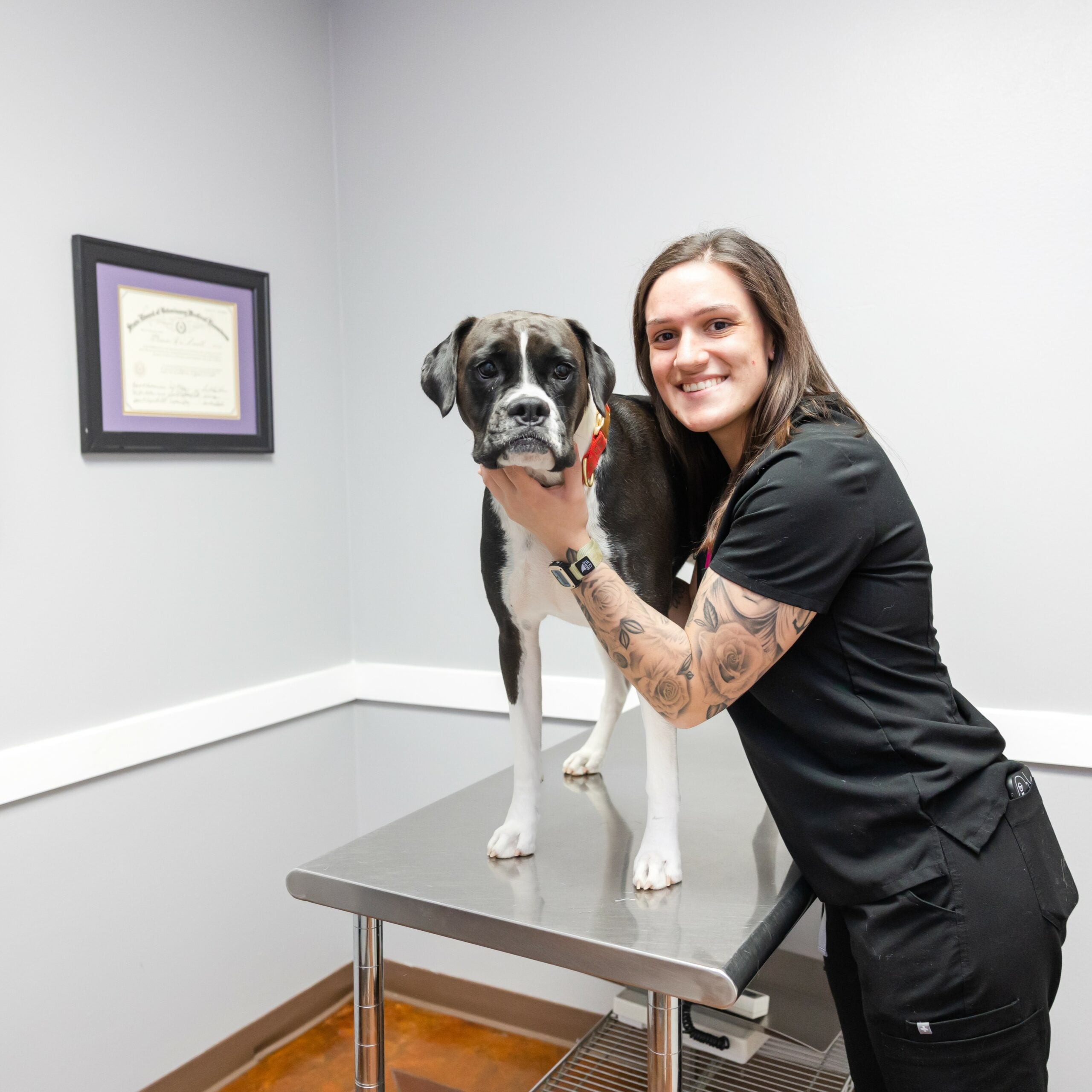
As a reader, you may wonder how to decide when to call Prairieville Animal Hospital rather than a different clinic. The answer is that this practice thrives on clear signals: a well-defined prevention plan that matches your pet’s stage of life, honest discussions about when more specialized care is warranted, and a willingness to partner with you in the daily management of health and wellbeing. If you value a practice that treats your pet as a member of the family and you appreciate direct, practical guidance, you will likely feel at home here.
Choosing the right veterinarian for your pet involves more than finding a doctor who can fix an urgent problem. It includes the rapport you build with the staff, a clear plan that matches your lifestyle, and a sense that you are entering a partnership rather than a transactional encounter. Prairieville Animal Hospital understands this, and it shows in the way the team introduces themselves on the first visit, stays available for questions, and follows up after a procedure with a sincere check-in. The hospital is not about scoring points with impressive results; it is about building steady, mutual trust that endures across years and through changes in a pet’s health.
For those new to Prairieville Animal Hospital, here are a few practical indicators that the practice aligns with a thoughtful, professional ethos:

- The pace of the appointment respects both the pet and the owner. A thorough examination does not feel rushed, and there is time to discuss concerns without feeling pressed for time.
- The team uses a straightforward language that avoids medical jargon when it is unnecessary, helping owners understand the what, why, and how of care decisions.
- The facility invites questions and does not shy away from difficult topics. When a prognosis is uncertain, the clinicians are willing to acknowledge it and map out plausible pathways forward.
- Preventive care is front and center. The clinic aims to prevent problems by catching small changes before they become bigger issues.
- Follow-through is real. If a test reveals something noteworthy, the team returns to review results with the owner and revise the care plan as needed.
Two short lists illustrate the practical offerings and the home-care steps that often accompany professional guidance. First, a concise look at the kinds of services you can expect to find at Prairieville Animal Hospital:
- Routine wellness exams and vaccines
- Dental care and dental radiography
- Internal medicine and diagnostic workups
- Soft tissue surgery and postoperative care
- Emergency and urgent care during business hours, with referrals when needed
In addition to in-clinic services, the team emphasizes home care and prevention. Here are steps many families adopt after a visit:
- Maintain a simple daily log of appetite, energy, and activity level to share at the next visit
- Follow the recommended vaccination and parasite prevention schedule
- Use the prescribed diet or portion-control plan and track weight changes
- Confirm medication administration and monitor for any adverse reactions
- Schedule regular preventive visits tailored to the pet’s age and risk factors
The cumulative effect of these practices is a blended approach to care that is both scientifically grounded and deeply humane. It is not the loudest voice in the room that matters, but the quiet, consistent presence of a team that believes in partnering with families to keep animals well. When a problem arises, you will feel the same sense of direction I did during my first visit — a belief that the team has your back and will walk with you through the decisions that matter most for your pet’s health and happiness.
If you are exploring options about care at Prairieville Animal Hospital, consider how the experience described here aligns with your own needs. Some families prioritize a clinic that can handle emergencies with competence and kindness. Others need a place that excels at preventive care and long-term management of pet care prairieville la chronic conditions. Some value a team that offers clear, practical education that helps them implement correct routines at home. Prairieville Animal Hospital consistently delivers across these dimensions, not through grandiose claims but through steady performance and a culture that elevates the ordinary moments of care into meaningful progress.
The value of any veterinarian’s work lies as much in the soft skills as in the clinical ones. The veterinarians at Prairieville Animal Hospital remind me that medicine is a human pursuit as much as a scientific discipline. They show up with patience when a nervous pet is brought in, they remain calm during a crisis, and they take the time to explain. They celebrate small victories with families, whether it is a pet learning to enjoy a new chew toy after dental work or a senior cat maintaining a comfortable, active lifestyle with the help of a tailored management plan.
From a practical standpoint, there are a few realities to keep in mind when engaging with any veterinary practice in the region. Access, wait times, and the balance between urgent care and routine visits can shape the experience as much as the care itself. Prairieville Animal Hospital shines by acknowledging these constraints and making careful choices about how to allocate resources to maximize patient welfare. The team is not handing out miracle cures or over promising outcomes. Instead, they offer measured, transparent guidance grounded in evidence and adapted to the local context.
In the end, the veterinary team at Prairieville Animal Hospital embodies a thoughtful blend of clinical rigor and compassionate practice. They teach through example how to approach care with consistency and empathy, and they translate complex health information into practical steps for daily life. The result is a clinic that not only treats animals but also helps families feel more confident in the care they provide at home.
One of the strongest impressions a client can carry away from a visit is the sense that the staff know the animal as an individual. The dogs and cats that pass through the doors leave with more than a medical plan; they leave with a partner in their care. The human companions depart with a clear sense of what to watch for, when to escalate, and how to maintain the day-to-day routines that support a pet’s well-being.
This long-form view of Prairieville Animal Hospital and its veterinarians is not a single snapshot but a chorus of everyday moments — a receptionist’s friendly greeting, a technician’s careful restraint during a checkup, a veterinarian’s meticulous note-taking, and a family’s relief after a successful, compassionate care plan. It is precisely this combination of elements that makes the clinic a reliable, trustworthy presence in the Prairieville community.
For families evaluating veterinary care, the question sometimes becomes whether to invest in a full-service clinic or split care between a couple of specialists. Prairieville Animal Hospital demonstrates the value of a comprehensive, in-house approach that still has the capacity to collaborate with outside specialists when the case calls for it. The goal remains constant: to deliver care that enhances quality of life for the animal and reduces stress for the family. When the stakes are high, this blend of depth and accessibility can make a decisive difference.
The advocacy work that accompanies clinical practice is another dimension worth noting. The veterinarians at Prairieville Animal Hospital often find themselves speaking with local groups about responsible pet ownership, nutrition, and behavior management. This outreach is not merely public relations; it is a reflection of a core belief that veterinary medicine thrives when it engages with the broader community. Sharing knowledge in actionable terms helps families build healthier routines long before fear or crisis arrives.
In the end, Prairieville Animal Hospital is not defined by any single service or moment. It is defined by the steady, reliable presence of people who care about animals as much as they care about the owners who bring them in. If you need a clinic that can combine preventive care with thoughtful emergency responses, a place that treats you as a partner, and a team that speaks plainly about what is feasible and what is not, you will likely find that Prairieville Animal Hospital meets your expectations.
If you are curious about specific veterinarians at Prairieville Animal Hospital, I would encourage you to schedule a friendly initial visit. Bring your questions, your concerns, and a sense of curiosity about how your home life and your pet’s health routines might align more closely with clinical guidance. The veterinarians here welcome that curiosity, and they respond with the kind of careful, practical information that makes a real difference in everyday life.
Finally, a note on what makes this kind of practice work over the long haul. The care routines, the patient handoffs, the post-visit check-ins—all of these are not mere add-ons. They are the backbone of a durable relationship between a family and a veterinary team. In communities like Prairieville, that kind of continuity is a quiet but powerful asset, a reliable thread that holds together health outcomes and the everyday joy pets bring to homes.
Prairieville Animal Hospital’s veterinarians bring together diverse strengths in a shared mission: to keep animals healthy, comfortable, and engaged with the people who love them. The result is more than a clinic; it is a trusted partner in the ongoing work of pet health and family well being. If you are trying to decide where to entrust your pet’s care, let the pictures of calm, competent care you read about here become a practical reality for your own pet. You owe it to yourself and to your animal to choose a team that meets you with honesty, skill, and a steady hand.
Corrections
Spot something wrong? Send it to the desk and it gets fixed in the open.