Choosing a Vet Near Me: Prairieville Animal Hospital’s First-Year Guide
The first year with a new pet is a season of small tests and bigger decisions. You learn the rhythms of a daily routine that now includes feeding schedules, enrichment, and a quiet vigil for the little signs that tell you when something isn’t right. When you settle into that rhythm, the choice of a veterinary partner becomes less about a single visit and more about a steady, long term relationship. Prairieville Animal Hospital isn’t just a place to treat an ailing paw or schedule a shot. It is the anchor of preventive care, daily management, and the careful coordination of care across life’s events. This guide pulls together the practicalities I learned while building a family with a couple of dogs and a cat who demanded a calm, consistent approach to health care.
Finding the right clinic near you starts with a simple question: who will be there when you need them most? The obvious answer is the veterinarian, but in truth a great veterinary practice is a small ecosystem. There are the reception staff who answer questions with patience, the nurses who run the logistics of vaccines and blood work, and the facility team who keep the space welcoming and clean. A practice that blends these elements with clear communication becomes a partner rather than a backstop. In Prairieville, the emphasis is on making preventive care practical, accessible, and tailored to the realities of busy lives.
The first year with a new pet is a continuous loop of visits,. Vaccines, microchips, dental care, and training milestones all ride on a calendar that you understand. A veterinary partner should help you map this calendar in a way that doesn’t feel punitive or overwhelming. You want a place that explains the why behind each service, offers options when budget or lifestyle requires adjustments, and follows up to ensure you aren’t left wondering if you did enough. The human side matters just as much as the medical side. A clinic that treats you and your pet with respect creates a base level of trust you’ll rely on during emergencies and routine wellness.
As you begin your search, you will hear about the basics: location, hours, the range of services, and how the practice handles urgent care. Prairieville Animal Hospital presents itself as a full service animal clinic near me that prioritizes preventive pet care, affordable vet services, and senior pet care. This triad—prevention, accessibility, and compassion for aging companions—frames everything from how appointments are scheduled to how the staff talks to you after a procedure. You will notice that the language used in households and clinics can diverge. What matters is consistency and transparency in costs, recommendations, and follow up.
Choosing a vet is a decision that sticks with you through the unexpected moments. When a dog or cat suddenly exhibits symptoms you haven’t seen before, you want a team that can shift from routine exams to urgent assessment without losing the thread of communication. The best clinics avoid the trap of making you feel rushed. They listen, confirm what they hear, and walk you through the options with clarity. In real life, that means someone is always ready to discuss the pros and cons of different diagnostic paths, whether it is a routine blood panel, a dental cleaning, or an ultrasound. The clarity of those conversations is not a luxury; it is a practical safeguard against miscommunication in times of stress.
The year ahead is a corridor of milestones. Vaccines at the right times prevent disease and help your dog or cat stay social and active. Spaying or neutering often falls into this window, as does the first dental cleaning. Microchipping is not optional in most households once you’ve seen the consequences of a missing pet. Growth by growth, you build a routine that supports the pet’s stage of life. The senior years, in particular, demand a different lens: more frequent checkups, tailored nutrition, and the gentle management of conditions that can complicate mobility or energy levels. The philosophy behind affordable vet services is not simply to reduce costs, but to maximize value by emphasizing prevention and early detection.
Caring for a pet is a daily discipline that translates into a staff you feel comfortable calling. The best clinics respond to questions with concrete examples. If you ask about preventive care, you should hear how the clinic proposes a schedule that aligns with vaccination windows, dental cleanings, and parasite prevention. If you ask about a problem behavior or a chronic condition, you should receive a plan that includes monitoring, home care, and when to seek in clinic support. A clinic that explains how it measures outcomes — for instance, how it tracks weight, activity level, and lab results over time — helps you participate in your pet’s health rather than just observe it.
In Prairieville, the practical steps you take in year one are not about chasing novelty. They are about building a reliable system. You want a place where visits are predictable, where you can quickly arrange boarding if travel interrupts your routine, and where the team understands the difference between a small fear response at the vet and a medical emergency that needs urgent attention. The idea of a hospital is not simply the place you go when things go wrong. It is the home you return to for guidance, where every member of the staff knows your pet by name and understands their quirks, tastes, and small preferences.
Getting acquainted with the clinic starts with a visit. A well run practice will welcome you with a process that respects your time and sets expectations. You should leave with a clear sense of what will happen during the next few months and a written plan that you can refer to as life changes occur. You will have questions about pricing, yes, but you will also have questions about the team’s experience with your pet’s species, breed, age, and health history. Experienced clinics know that a patient with a chronic condition will require different checkups than a healthy puppy or kitten. They practice that differentiation with care.
Two practical aspects often determine how smoothly your first year goes: communication and convenience. How easy is it to reach the clinic if you notice something unusual after a weekend, and how quickly can you obtain routine services like vaccines or a dental cleaning without creating a logistical headache for you? In most cases, a clinic that offers online scheduling, clear hours, and transparent pricing has a leg up. Yet behind every convenience feature sits a promise: we will be there for you, and we will be there in time. The difference between a clinic that merely operates and a clinic that earns long term loyalty lies in the soft infrastructure—the listening, the follow up, the way a receptionist restates your concerns and confirms the plan.
As you read the labels of the services, you should see a bias toward prevention that does not neglect emergency readiness. You want a practice that staffs around the clock or at least on call or on a non emergency urgent care schedule. You want to know what happens if an issue arises after hours, what the triage process is, and what steps the clinic takes to avoid overnight uncertainty for you and your pet. The presence of a robust preventive care program does not mean the clinic will ignore acute concerns. It means they invest in your pet’s overall health, which reduces the need for big urgent interventions later.
If you are scanning for a clinic near me, you will inevitably consider price and accessibility. There is a tension between affordability and comprehensive care. The best clinics do not pretend you will never encounter an expensive test or procedure. They acknowledge that some services have real value, and they help you weigh decisions by presenting evidence and alternatives. In practice, that is a collaboration: you bring your perspective and constraints, and the veterinary team shares the medical perspective, guiding you toward options that work for your family.

The year ahead is not a single mountain to climb; it is a valley to walk with a trusted partner. You will be surprised how quickly routines solidify once you establish a rhythm for vaccines, routine exams, parasite prevention, dental care, and microchipping. You will also learn how to adapt when life changes. If you move, you will want a clinic that can transfer vaccines and records smoothly, and if you adopt another pet, you will want a practice that can scale its services to meet the new demands without losing continuity with your first animal’s plan.
Two lists offer practical guidance as you navigate the process of choosing and engaging with a veterinary practice. They are intentionally concise to preserve space for the narrative, but each one is crafted to anchor decisions in concrete realities.
-
What to look for in a clinic
-
Clear communication and transparent pricing
-
A schedule that fits your life, including after hours or urgent care options
-
A strong preventive care program integrated with dental and senior pet care
-
A welcoming, well maintained facility with a compassionate, accessible staff
-
A record of steady follow up and easy access to medical history
-
Questions to ask during the first visit
-
How does this clinic tailor a preventive care plan for my pet’s life stage?
-
What is the typical guidance on vaccines, dental care, and parasite prevention for my situation?
-
How are emergencies handled and what does the after hours process look like?
-
What are the costs associated with common procedures, and are there bundled options for routine care?
-
How will the team coordinate if multiple specialists are involved in a care plan?
Armed with those questions, you walk into a first appointment with confidence rather than hesitation. The experience should feel like a partnership from the start. You will find that the practice’s approach to communication shapes every later decision. It is not enough to be told what will be done; you want to understand why, and you want to see how the clinic intends to measure success. For many families, success is simple: a healthy, balanced pet who can enjoy daily life with minimal friction and predictable vet visits.
A central thread in year one is the pet’s daily care routine. The veterinary team will discuss nutrition, weight management, and enrichment activities that support physical and mental well being. A pragmatic approach to nutrition considers age, activity level, breed tendencies, and any medical conditions that might constrain choices. The clinic’s recommendations should be clear on whether you need special diets, prescription foods, or opportunistic treats that align with health goals. You will learn to read a label with greater discernment, asking about ingredients that can affect sensitivities, energy levels, or organ function. You will also learn how to monitor for subtle shifts in appetite or energy that could indicate a drift in health. This is not about obsessing over every minor fluctuation; it is about building an early warning system that helps you catch a problem before it becomes a crisis.
The matter of boarding and day care often surfaces as life evolves. A trusted clinic will provide an option to board or supervise daily care when work travel or family obligations pull you away from home. The key here is consistency: can the same team who cares for vaccines and exams also care for your pet in a boarding setting? Is the environment clean, secure, and suited to your pet’s temperament? These considerations matter because boarding experiences can be a source of stress for animals. The best clinics minimize that stress by offering familiar routines, gentle handling, and clear communication about feeding, medications, and exercise during a stay.

When you consider the life stage of your pet, senior care emerges as a distinct pillar. Senior pets demand closer monitoring and sometimes a broader panel of diagnostics to manage chronic conditions. The approach is usually conservative, prioritizing quality of life and mobility as much as longevity. The clinic’s senior pet care program should include regular pain assessment, dental assessments, mobility support, and adjustments to diet or medications as needed. The art here lies in balancing proactive management with humane restraint to avoid overtreatment. You want a team that knows when to push forward and when to pause for a more comfortable pace.
If your pet has a medical history, you will value continuity. A smooth transfer of records, a clear understanding of past treatments, and a willingness to coordinate with specialists in the event of complex conditions all contribute to a more efficient and effective care path. A well run practice maintains a robust medical record system that is accessible to you, not just the clinicians. The days of digging through paper files are fading fast; digital records linked to a client portal create a transparent, auditable trail of care that you can review before a visit.
The concept of preventive pet care can seem abstract until you see it embedded in a concrete plan. Vaccinations are the obvious anchor, but the real power comes from a structured schedule that anticipates health challenges in specific life stages. A clinic that takes this seriously will also discuss parasite prevention, dental health, and obesity management as integrated components of overall wellness. When you see a plan that includes annual vaccines, periodic blood work for at risk species, dental cleanings, and weight management, you glimpse how a good veterinary practice translates long term health into daily practice.
The practicalities of paying for care deserve attention as well. Pet health costs can escalate quickly if you defer routine care in favor of episodic treatment. The most sensible approach is to build a predictable budget for preventive care, vaccines, dental cleanings, and annual screenings, while also setting aside a contingency fund for unexpected issues. A clinic that offers transparent pricing and clear explanations of what is included in a visit or procedure helps you manage the financial arc without surprise. When you meet the staff, you should feel they are about helping you plan, not simply selling services.
A real-world note about veterinary care: the choice of a clinic does not come with a guarantee that life will be without boarding kennels prairieville la medical surprises. What it does promise is steady alignment between your pet’s needs and the clinic’s capabilities. In practice, that means you get a team that helps you navigate decisions with honesty and clarity. If a diagnostic test is indicated, you should hear a thoughtful explanation of what it will reveal, how you will use the information, and what the alternatives might be should the results point elsewhere. If a vaccination is recommended, you should receive a straightforward rationale and a realistic window for administration. If the plan involves a referral to a specialist, the clinic should outline the reasons and the anticipated outcomes, not leave you with a vague sense of obligation.
To close, the right veterinary partner is not just a clinic with a convenient location. It is a community built around your pet’s health, a place that respects your time, your budget, and your goals for your animal companion. The choices you make in year one set the foundation for years of shared health, growth, and companionship. The experience you cultivate with Prairieville Animal Hospital, or any nearby animal clinic near me, should feel personal and professional in equal measure. It should balance pragmatic care with a humane touch, ensuring that preventive pet care remains a practical, achievable part of daily life.
If you are still weighing options, consider scheduling a first visit that feels more like a consultation than a routine exam. Bring your questions, observe the reception, watch how the team interacts with your pet, and pay attention to how quickly you receive a clear plan after the appointment. A good clinic will not bury you in jargon or hurry you through a checklist. It will invite you to participate in the care plan, offering choices rather than dictating a single path. That is the experience that turns a veterinary practice into a trusted ally for you and your pet.
The first year is a turning point in how you approach health for a living, breathing being who depends on you for safety, comfort, and daily affection. The right veterinary partner helps you translate that responsibility into manageable steps, predictable routines, and a sense of calm that comes from knowing a team is watching over the health of your animal family. In Prairieville, that sense of partnership is built through consistent communication, thoughtful preventive care, and the quiet confidence that comes from knowing you have a veterinary team that understands the stakes of every decision and treats your pet with the same care you do.
As with any relationship you build for the long haul, the key is simplicity and reliability. The clinic that can deliver those two things while staying adaptable to the unexpected will become the heartbeat of your pet’s health. The first year — full of vaccines, checkups, and the occasional patch of worry — is less a hurdle and more a practice in shared responsibility. Your pet, your budget, and your time all benefit when a veterinary team makes the day to day predictable and the tough moments manageable.
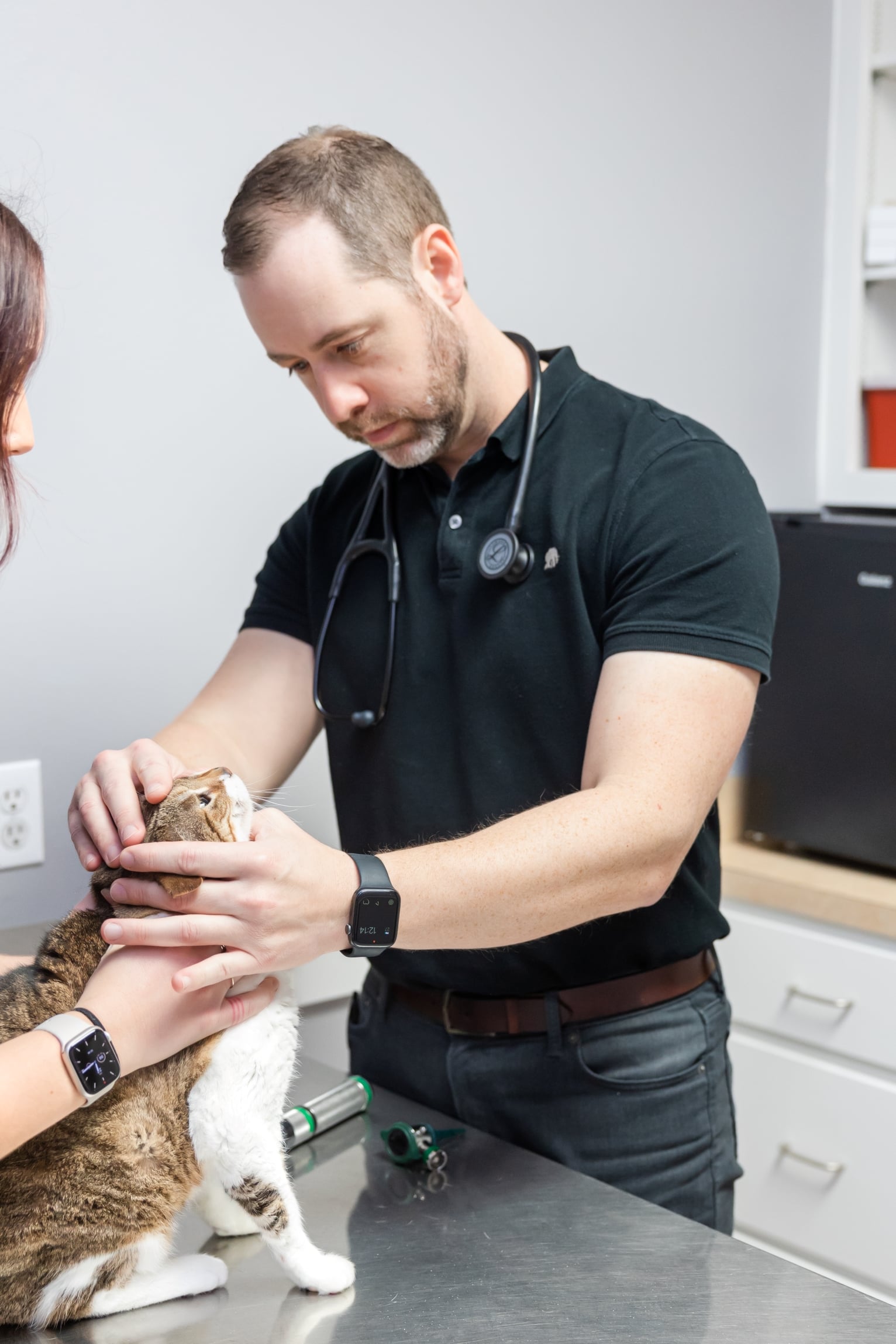
From this vantage point, choosing a vet near you is not about finding the nearest option or simply selecting the lowest price. It is about choosing a partner who sees your pet as a member of the family and who then answers that perspective with clinical excellence, clear communication, and real world practicality. In that sense, the first year is not just a procedural timeline. It is the foundation of trust, built one thoughtful appointment at a time.
Corrections
Spot something wrong? Send it to the desk and it gets fixed in the open.